CENTIPEDE EXTERMINATOR - MONTREAL & SOUTH SHORE
About Centipedes (Scutigera Coleoptrata)
Activity
Centipedes are frequently found in homes and commercial buildings in Montreal and Quebec, especially in damp areas. Their presence tends to become more noticeable after periods of rainfall or in environments where moisture is consistently high. Although they are often discreet and difficult to spot, they can multiply quickly in poorly ventilated spaces where condensation and humidity encourage their proliferation.
Behavior
Centipedes are nocturnal creatures that move quickly in search of insects and small arthropods. They typically hide during the day, favoring dark, damp spaces such as basements, crawl spaces, or around pipes and cracks in foundations. Their speed and ability to squeeze into small gaps make them hard to detect. However, when their numbers grow, they become more visible, especially around moisture sources.
Diet
These carnivorous arthropods primarily feed on insects and small arthropods they capture in dark areas. Inside homes, they are attracted to places where they can easily find food, such as around damp cracks and leaks. While they don't cause structural damage, their presence can be unsettling and often signals unresolved moisture issues.
Size and Appearance
Centipedes generally measure between 2 and 4 centimeters long, with a segmented body and many legs. Their color ranges from brown to light yellow, and they have an elongated, multi-segmented appearance. They move quickly, which makes them difficult to catch or closely observe.
Presence in Quebec
Centipedes are widespread in the humid areas of Quebec, particularly in older buildings and those with poor ventilation. Homes with moisture problems, water leaks, or inadequate drainage are particularly prone to hosting these pests. Basements, crawl spaces, and areas near pipes are common places for their presence.
Indoor Behavior
Indoors, centipedes seek out damp, low-traffic areas, such as basements, crawl spaces, or behind appliances. While they are not directly harmful to humans, their abundant presence can cause discomfort, especially when they move through living spaces. Their nocturnal activity and ability to hide make controlling them difficult without professional help.
Survival Outdoors
Centipedes thrive outdoors in gardens, under rocks, or in piles of dead leaves. They often migrate indoors during periods of heavy rain or when seeking more stable, humid conditions. Cracks in walls or unsealed openings allow easy entry into homes.
Reproduction
Centipedes reproduce by laying eggs in dark, humid places. Each female can lay dozens of eggs, and in favorable conditions, their population can grow quickly. If moisture conditions remain, their numbers can increase significantly.
Common Areas in Montreal
In Montreal, centipedes are often found in basements, crawl spaces, kitchens, bathrooms, and other dark, damp areas. Older buildings with poor drainage and moisture problems are particularly prone to infestations.
Difficulty in Eradication
Eliminating a centipede infestation requires more than just surface cleaning. It's essential to reduce moisture in the home and seal any cracks or openings that allow entry. For a long-lasting solution, a professional inspection is recommended to identify breeding areas and apply appropriate treatments. Managing moisture and addressing conditions conducive to their proliferation is key to preventing future infestations.
Signs of a Centipede Infestation
Sudden Appearance of Centipedes in Damp, Secluded Areas
The first sign that centipedes have moved into your home is usually spotting them in areas with high moisture, such as basements, crawl spaces, or bathrooms. If you notice these fast-moving creatures darting across the floor or hiding in dark corners, it’s often an indication that excessive humidity has created an ideal environment for them to thrive.
Fast Movement in Low-Light, Quiet Spaces
Centipedes are nocturnal and prefer to stay out of sight during the day. They are most active at night, racing across dark, quiet spaces like behind appliances, under sinks, or along the baseboards where they can find food and moisture. Their quick, elusive behavior makes them difficult to detect, and they often go unnoticed unless their numbers increase significantly.
Presence Near Cracks, Leaks, or Ground-Level Storage
Centipedes tend to hide in spaces where moisture accumulates. If you see them congregating near foundation cracks, under stored items, or around areas where there might be leaks, this could signal a larger issue with water seepage or humidity buildup. These creatures thrive where moisture is readily available.
Persistent Dampness and Indoor Moisture Issues
Ongoing damp conditions, such as condensation on windows, pipes sweating, or a musty smell, provide perfect conditions for centipedes. These pests rely on moisture to survive, so the sight of them is often a sign that there is inadequate ventilation or water collecting in the space.
Increased Activity After Dark or in Low-Traffic Areas
Centipedes prefer to avoid human activity and light. They are most commonly seen after dark or in less-frequented parts of the house. Their presence in these quiet areas is a clear sign of a hidden moisture issue, which should be addressed to prevent further infestations.
Signs of Ongoing Humidity Problems
Peeling paint, warped wood, or a moldy smell are often indicators of an environment conducive to centipede infestations. These signs point to ongoing moisture problems, which not only allow centipedes to thrive but also invite the growth of other pests or fungi. Tackling the underlying humidity issues is essential to stop the infestation from worsening.
Taking Quick Action to Prevent Bigger Problems
While centipedes don’t cause structural damage, they can become an ongoing nuisance if left unchecked. Taking early action to address the moisture issues, seal cracks, and declutter damp areas can significantly reduce their numbers. The sooner you respond to the problem, the easier it will be to prevent a persistent infestation.
Understanding Centipedes
Centipedes are a common concern in both residential and commercial spaces across Quebec, particularly in areas with high humidity and hidden crevices where they can easily hide. These swift-moving insects prefer dark, undisturbed environments such as basements, crawl spaces, and areas near water sources. They tend to hide in cracks, behind furniture, or within tight spaces, making them difficult to detect until their population grows significantly. As their numbers increase, centipedes may venture into more visible areas, causing discomfort for those in the space. To effectively tackle an infestation, it is crucial to address the environmental factors such as excess moisture and clutter that provide ideal conditions for centipedes to thrive. Professional intervention is often necessary to eliminate these pests and prevent future invasions.
The Problem with Centipede Infestations
One of the main challenges with centipedes is their ability to slip unnoticed into dark, damp spaces where they can multiply without being detected. These nocturnal creatures are drawn to humid environments such as basements, bathrooms, or confined spaces under the house. Their quick movement and tendency to hide in cracks, behind furniture, or in dimly lit corners make early detection particularly difficult. Once established, they can quickly spread throughout the home, disrupting the peace of the occupants.
While some preventive measures, like reducing moisture and cleaning at-risk areas, may provide a temporary solution, they are often insufficient to completely eradicate the infestation. Centipedes hide in hard-to-reach areas where surface-level treatments cannot reach. A professional inspection is necessary to locate these hiding spots and implement a targeted treatment plan. In addition, practical advice is given to adjust the environment, reduce moisture sources, and prevent future re-infestations.
Our Approach to Centipede Control
Centipede infestations often start in an unnoticeable way, with only occasional sightings of these quick-moving pests darting across floors or slipping behind furniture. However, their numbers can quickly grow if not addressed. Centipedes are attracted to dark, damp places such as basements, bathrooms, and crawl spaces, where they can hide in the shadows. They prefer the cover of night and move swiftly, making it easy for them to remain out of sight while gradually spreading their presence.
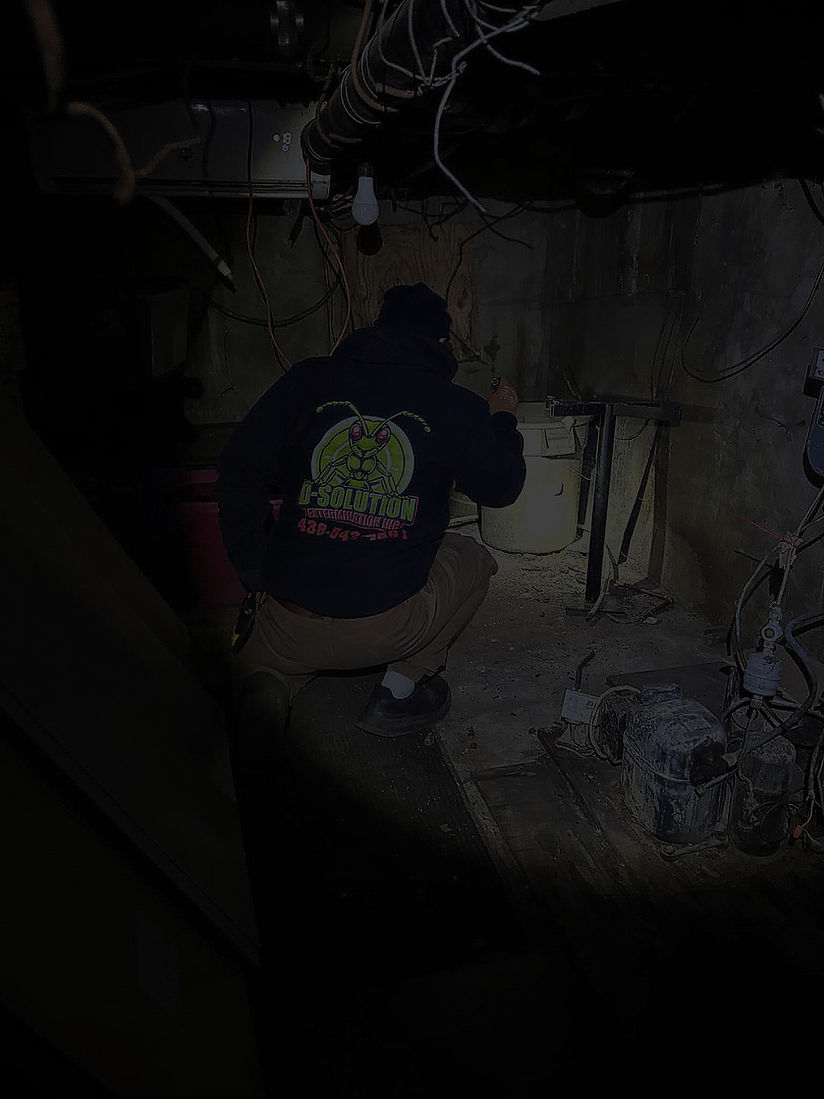
Tackling a centipede problem effectively requires identifying the areas where they are hiding and understanding the conditions that attract them. Our process begins with a thorough inspection of your home, concentrating on areas that tend to retain moisture, such as basements and around plumbing fixtures. We check for cracks in the foundation, poorly sealed spaces, and accumulations of organic material that can provide shelter. Signs of centipedes, like shed skins or dead insects, help us pinpoint active areas and potential entry points.
Once we identify the problem, we develop a targeted treatment plan to address centipedes in their most concealed areas. Our specialized methods go beyond surface-level solutions to reach deep cracks and gaps where they hide. In addition to the treatment, we offer guidance on reducing moisture, improving airflow, and removing clutter to prevent future infestations. This comprehensive approach ensures that centipedes are eliminated and your home stays protected in the long term.

If you're dealing with Centipedes or have any questions, feel free to call our pest control experts at (438) 543-4691. We're here to take care of the problem quickly and efficiently.
Our team will ensure that your property is completely ant-free, giving you peace of mind knowing the issue is resolved. Let us handle it so you can focus on what matters most.